The Belt Is the Smallest Thing You'll Earn
Beyond the belt, the dojo teaches you lessons no stripe can measure. Most people who walk through the door chasing a black belt never reach it — not because they lack talent, but because they stop showing up. The ones who stay build mental strength, resilience, and self-control that carry far past the training floor.
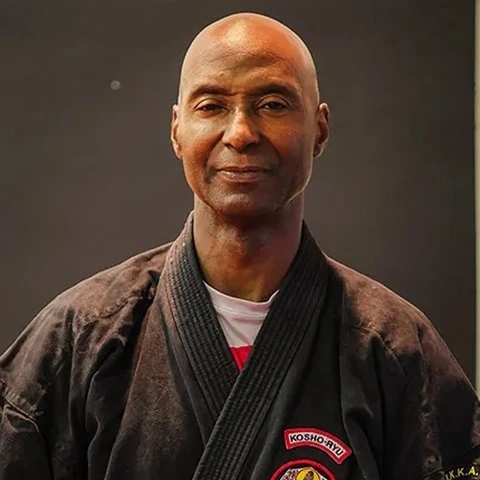
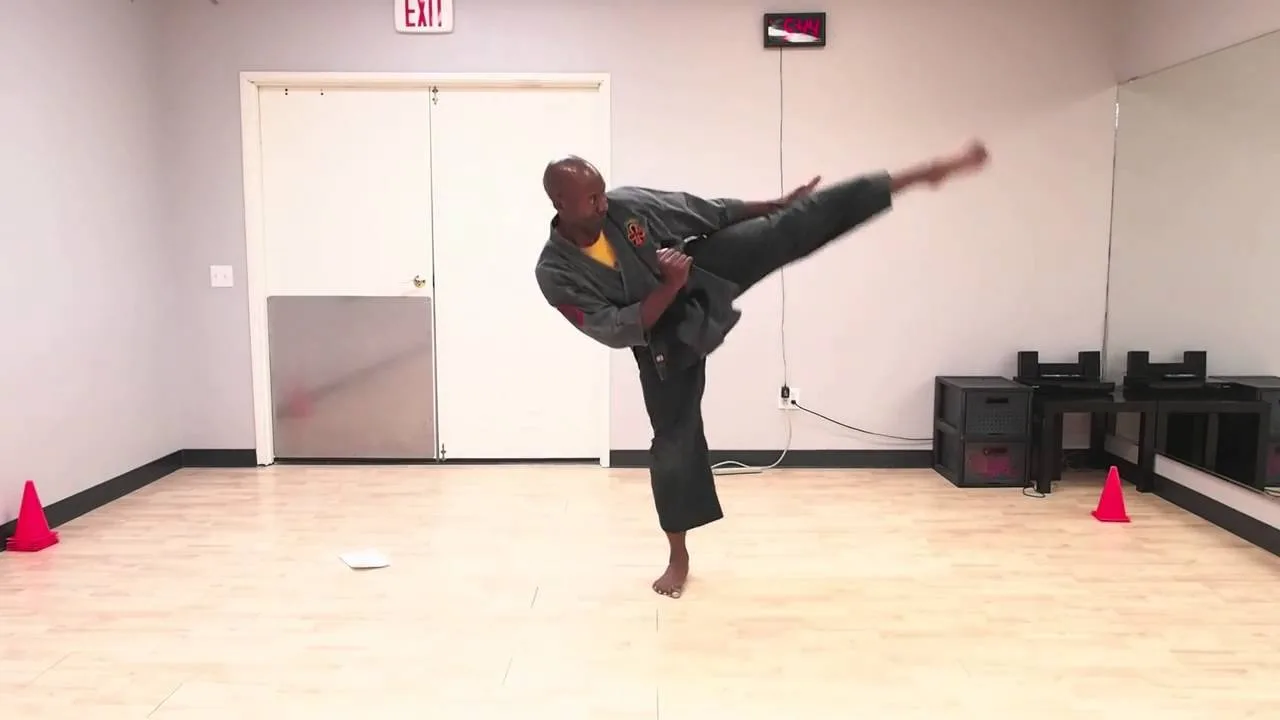
This is the heart of The JMAA Method. At James Martial Arts Academy in El Cajon, Sigung Darryl James has spent over 36 years teaching Kajukenbo and Kosho-Ryu, and the lesson he returns to most is simple: the belt is the smallest thing you'll ever earn here. What matters is who you become on the way to it.
Why Most Students Never Reach Black Belt
The number of beginners who eventually earn a black belt is small — and that's true in almost every serious martial art. Early on, the physical demands and the steep learning curve filter out most people fast. The first few months claim the largest share of dropouts, right when the excitement fades and real work begins.
The biggest test usually comes in the middle of the journey. You know enough to see how much you don't know, and that awareness sends many students home for good. If you push through that stage, you've crossed a real threshold. Your persistence becomes the proof: discipline, not talent, is what gets the belt tied around your waist.
That's why we don't sell shortcuts. The journey rewards the people who keep coming back when it would be easier to quit.
How Long the Journey Really Takes
Most beginners imagine earning a black belt in a year or two. The honest answer is that it takes years of consistent training, and the timeline stretches differently for every student. Injuries, work, family, and the ordinary interruptions of life all add time. That's normal, and it's not a failure.
Don't chase speed. Consistency beats intensity every time. A student who trains steadily for years will pass the one who trains hard for three months and burns out. Along the way you're not just memorizing moves — you're building a depth of knowledge that one day serves everyone you train beside and, eventually, everyone you teach.
For families weighing the commitment, our karate school here in El Cajon is built around showing up consistently, not perfectly.
Where Most People Quit
The early weeks are the hardest. The novelty wears off, progress feels invisible, and that's exactly when most beginners walk away. Then comes a second wall, deeper in, when you've earned a real milestone but the climb ahead still looks endless. Self-doubt sets in. Life gets busy. The temptation to drift away is strongest right after you've proven you can do this.
The students who make it past those walls don't have more talent. They've simply decided that quitting isn't on the table. Once you cross that line, training stops being something you do and becomes part of who you are.
The Belt Doesn't Certify Skill Alone
So what does a black belt actually confirm? It confirms you've proven your foundational techniques against real, resisting opponents. Nothing theoretical passes — every rank gets earned on the floor.
It certifies your character. By the time you reach the upper ranks, you're trusted to represent the academy, the lineage, and the art itself. You've shown commitment that goes far beyond skill.
And it validates your ability to teach. You can take years of understanding and turn it into clear instruction that guides someone else through their own progression.
Most importantly, the black belt marks a beginning, not an ending. You've shifted from learning moves to understanding timing, strategy, and your own style. The belt simply says you're ready for deeper study. The standards are high on purpose, because the responsibility is real.
Winning a Match and Earning Rank Aren't the Same
A black belt proves depth, character, and the ability to teach — but it doesn't guarantee you'll win every sparring session or tournament. A medal measures skill in one specific moment under one set of rules. Your rank reflects years of accumulated experience: mentorship, adaptation, and a real understanding of why the art works.
A younger competitor training twice a day operates in one narrow lane. An experienced practitioner operates across many. You coach students through hard losses. You teach nervous beginners how to move. You adapt your techniques as your body changes with age. Don't confuse the two systems. A medal documents a single victory. Your rank documents who you've become.
The Plateaus That Break Most Students
Every student hits plateaus — beginner through black belt, no exceptions. You'll face one in your first year, and others later. These aren't signs you've stalled. They're skill-consolidation phases, where your body quietly absorbs everything you've drilled.
What breaks most people isn't the plateau itself. It's the response. You cut your mat time. You shift from active learning to just showing up. Contentment quietly becomes complacency.
Here's where you pivot. The beginner strategy of trying a little of everything won't serve you anymore. You need focused practice, structured progression, and patience. Stop measuring yourself only by who you beat in sparring. Track how well you apply a technique. Write down what you learn. Your real growth is often invisible to the moment — but it's there.
Black Belts Have to Know How to Teach
Earning a black belt proves you can execute technique. It doesn't automatically mean you can teach. Those are two different skills, and plenty of skilled practitioners struggle to explain a single concept clearly.
At JMAA, teaching is treated as its own discipline. We ask senior students to study how people learn, to watch closely, and to adapt their delivery instead of repeating the same demonstration louder. Curiosity, humility, and empathy matter more than showing off your best move.
The goal isn't to make students depend on you. It's to train independent thinkers who eventually surpass you. That's how the art stays alive — and it's why leadership and mentorship are woven through The JMAA Method from the early belts onward.
What Years on the Floor Do to Your Character
When you spend years training, the changes run deeper than technique. Research on long-term martial artists consistently links sustained practice to gains in self-control, resilience, and self-efficacy. Those aren't abstract ideas — they're built through years of staying composed under pressure and choosing to keep going.
Your nervous system learns to stay calm. Your discipline becomes internal rather than forced. Somewhere along the way you start transitioning from student to helper, and your identity sharpens through serving others. A steady stretch of consistent training builds a foundation: steady under stress, regulated in conflict, confident without arrogance. You don't just develop technique. You develop the character it takes to lead others through their own hard moments, on and off the floor.
The Rank Is Rare Because the Commitment Is Rare
A black belt is rare for one honest reason: very few people are willing to commit for as long as it takes. Each rank filters out more students than the last, and what's left at the top is a small group who simply refused to quit. That's not exclusivity for its own sake — it's the natural result of a multi-year promise kept, one class at a time.
If you're ready to start that promise, schedule your free trial class and come see what a real dojo feels like.
The Journey Has Already Changed You
Most people never finish what they start. The ones who do aren't forged in a single moment — they're shaped by every class, every plateau, every time they choose to come back. So don't chase the belt. Commit to the process. Show up when it's hard, drill when you're tired, and teach what you've learned. The black belt won't change you. By the time you earn it, the journey already has.