Why Bullies Notice Body Language First
Most parents assume bullies pick targets at random, but the research tells a different story. Bullies are strategic. They scan for specific body language cues, including how a kid walks, stands, holds their face, and uses their voice, to spot who they think they can control with the least risk.
When a child lacks confidence, their body broadcasts it: downcast eyes, hesitant speech, withdrawn shoulders. Bullies read those signals instinctively and move toward kids who look least likely to push back or attract defenders. Research tracking outcomes over more than 40 years confirms that bullied children face higher risks of depression, anxiety, and lower life satisfaction well into adulthood.
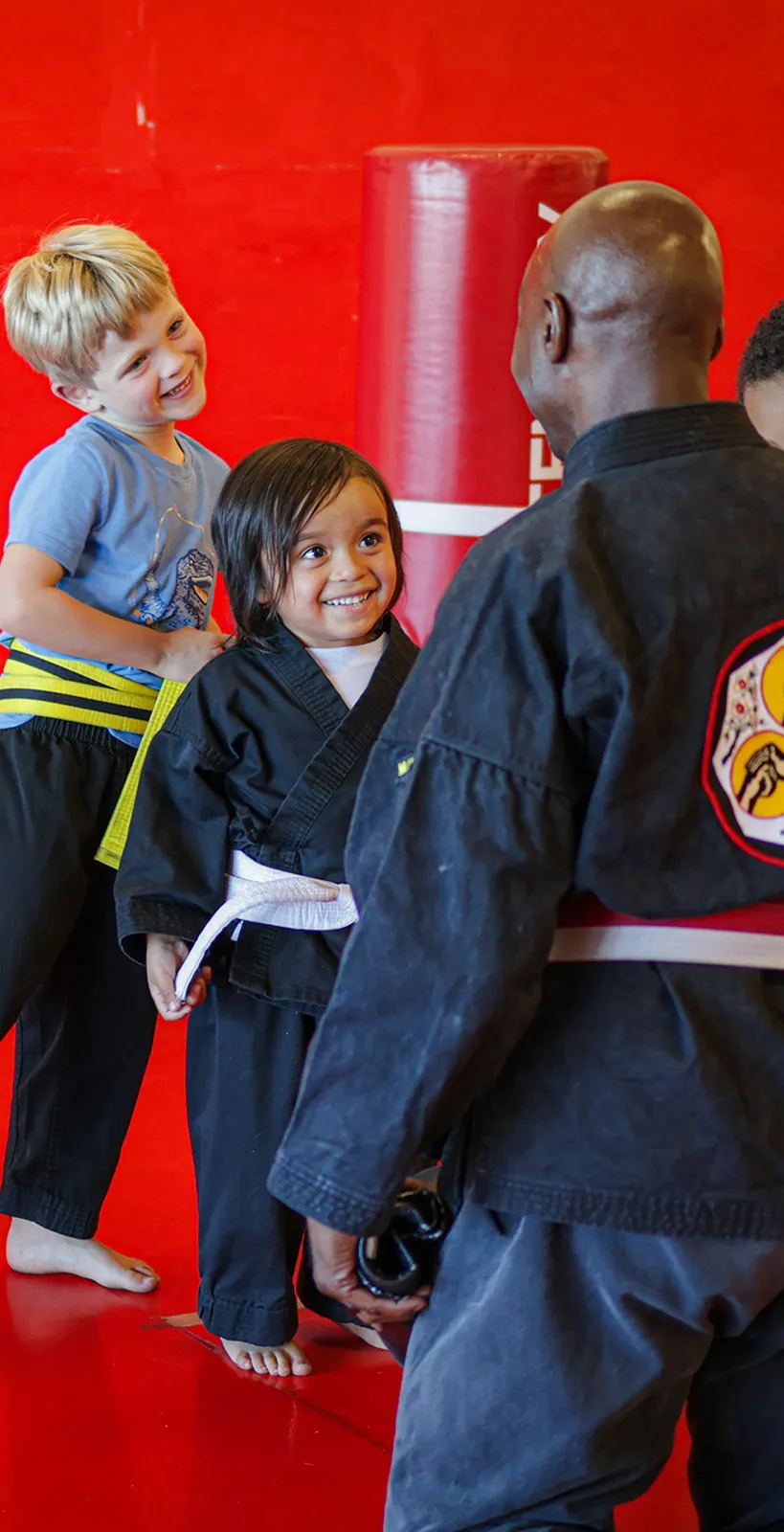
Here's the empowering part: body language is trainable. Your child can replace those vulnerability signals with confidence markers that quietly tell a bully to look elsewhere. That's exactly what your child builds in Kids Martial Arts at JMAA, where confident posture and steady presence are part of every class.
How Martial Arts Builds Confidence Bullies Can't Ignore
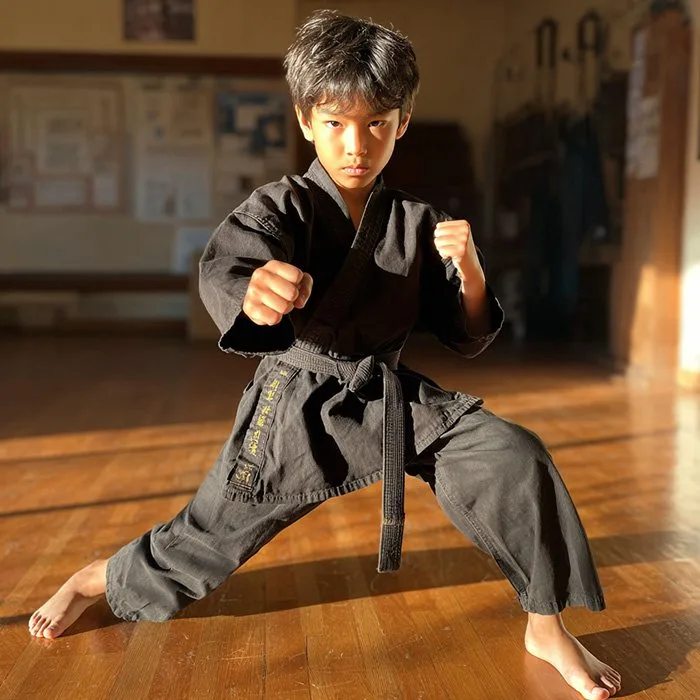
When your child steps onto the mat for the first time, something starts to shift. Not overnight, but through a steady stack of small victories that change how they carry themselves. Each technique they master becomes real proof of their own ability. Their posture changes. Their movement sharpens. Bullies notice the difference.
Consistent training over months produces measurable gains in confidence and self-esteem. Training also lights up the body's natural feel-good chemistry, lifting mood and building resilience to stress. And knowing they can protect themselves changes how safe your child feels in their own skin. Studies confirm that higher levels of martial arts practice negatively predict aggression, so the more consistently your child trains, the less likely they are to lash out.
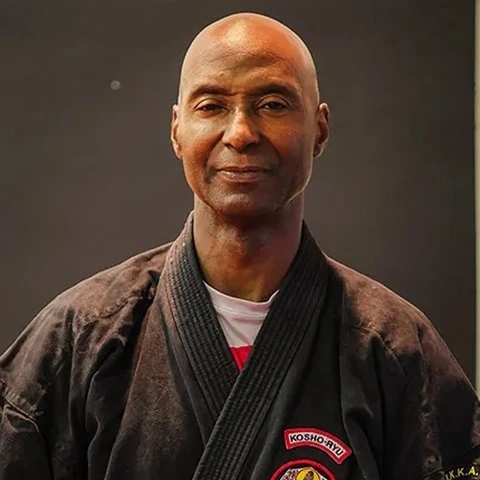
The Kajukenbo and Kosho-Ryu training Sigung Darryl James has refined over 36 years develops the whole child, not just the body. You're not signing your kid up for a sport. You're giving them a foundation of real competence, and that quiet confidence speaks louder than any threat a bully can make.
Staying Calm When Pressure Hits
Bullies feed on a reaction. So your child's strongest defense isn't a punch. It's the ability to stay composed when pressure lands. Martial arts builds that composure through repeated practice in demanding conditions, so your child learns to steady their emotions in real time and respond with calm instead of panic.
When your child trains regularly, managing stress becomes second nature instead of something they scramble for in a crisis. A study of nearly 850 adolescents found that more martial arts training predicted less aggression, not more.
Every class gives your child a structured place to practice staying centered when everything feels chaotic. That skill follows them off the mat. They'll meet bullies, exams, and the ordinary stress of growing up with steadier nerves and clearer thinking.
Verbal Self-Defense: Helping Your Child Set Boundaries
The calm your child builds on the mat gets even more powerful when paired with the right words. Verbal self-defense gives kids the tools to stop aggression before it escalates, without ever throwing a punch.
Your child learns to use short, firm phrases like "Stop," "Leave me alone," and "I don't like that," delivered with steady eye contact and confident posture. A lot of kids freeze up because they simply don't know what to say, so we have them practice speaking clearly and using a strong, grounded voice until it feels natural.
They'll also practice "I-statements" that set a boundary without pouring fuel on the conflict, plus calm techniques that take the wind out of a taunt instead of rewarding it. When your child stands tall, speaks clearly, and holds their space, they stop looking like an easy target. You're giving them the courage and composure to protect themselves with their words first.
Why Martial Arts Lowers Aggression Instead of Raising It
A worry we hear from parents is simple: won't teaching my kid to fight make them more aggressive? Traditional martial arts work the other way around. The training builds in respect, self-control, and mindfulness from day one, which lowers anger, sharpens emotional control, and teaches kids to resolve conflict instead of escalating it.
Studies measuring aggression find that students show less physical aggression, less hostility, and less anger than non-participants, and school bullying prevention efforts improve measurably alongside this kind of training. Peer-reviewed research published through ScienceDirect supports these findings.
You're not raising a fighter. You're raising a child who understands discipline, respects boundaries, and chooses restraint, because they've trained for it.
How Martial Arts Stops Bullying Without a Single Punch
When a child walks into a room with their head high, shoulders open, and eyes steady, bullies often move on before a word is spoken. That presence, strength without aggression, is the first layer of protection martial arts builds.
But it goes deeper. Your child learns to breathe through pressure, pause before reacting, and deny a bully the emotional payoff they're after. When a taunt lands on calm confidence, the aggressor loses interest. Assertive communication does the rest: firm boundaries, a steady voice, and simple repetition that shuts down manipulation. These aren't fighting skills. They're life skills.
What your child gains is real capability paired with the wisdom to keep the peace. At JMAA, that's the whole point. Your kid leaves class knowing they can handle themselves and rarely needing to prove it.
Pair Training With a School Safety Plan
Confidence and calm communication give your child powerful tools, and those tools work best inside a larger safety system. When your child's training connects to your school's safety process, you close the loop on protection.
Document every incident. Log dates and details, and keep screenshots. File written reports with your school's coordinator and hold onto copies. Ask for supervised transitions, seating changes, and hallway plans that protect your child during the vulnerable moments of the day. Schedule counselor check-ins after each reported incident, and if the school's response falls short, follow up in writing with the administration.
You're not overreacting. You're activating the support your child deserves. And your child learns to say, clearly and without apology, "I need help now. This is a safety issue," so every adult in their world is ready to respond.
Give Your Child the Confidence to Stand Tall
When you combine martial arts training with open communication and your school's safety resources, you build a shield around your child that bullies can't break. Picture your kid walking into school with their shoulders back, eyes forward, and the calm confidence to say, "Stop, that's not okay." That isn't just self-defense. That's transformation.
You can start that change this week. Schedule your child's free trial class at James Martial Arts Academy in El Cajon, and let's help them carry themselves like a kid no bully wants to test.