Confidence Is the Real Forcefield
Your child builds a bully-proof forcefield by pairing inner confidence with outer skills. It starts with small wins that prove they're capable, grows through calm and steady body language, and gets stronger every time they set a clear boundary like "That's enough." Add a few good friends who have their back, and each layer stacks on the last until your child becomes a much harder target.
This isn't about teaching kids to be tough or to throw the first punch. It's about helping them feel sure of who they are so the signals bullies look for simply aren't there. That's exactly the kind of quiet, grounded confidence we build in our our Kids Martial Arts program program right here in El Cajon, where East County families have trusted us to raise confident kids since 2010.
Why Bullies Target Certain Kids
When a child gets bullied, it's natural for them to wonder, "Why me?" Bullies don't pick targets at random. They look for kids they think won't push back or won't have anyone standing up for them, and they zero in on whoever seems most isolated.
They often focus on differences, whether that's a physical feature, a disability, a cultural background, or a quieter personality. A kid who doesn't fit the group's unspoken "code" stands out more. Bullies also exploit power gaps in size, popularity, or social standing. Research shows that immigrant and refugee youth face a higher risk of being singled out, too.
Here's what matters most: none of this is your child's fault. Bullies choose targets on purpose to boost their own status with the least pushback. Understanding their playbook isn't about changing who your child is. It's about helping them see that a bully's behavior says everything about the bully and nothing about their worth.
How Past Hurt Can Make a Child More Vulnerable
Kids who've been hurt at home, through harsh words, neglect, or a chaotic household, often carry that weight into how they show up around their peers. They might pull back socially, struggle to set boundaries, or miss the social cues that help other kids navigate friendships safely. None of that is their fault either.
Research shows emotional abuse in particular raises the risk of a child being targeted rather than becoming aggressive. With nearly two-thirds of people experiencing at least one adverse childhood experience, your child is far from alone in carrying these invisible weights.
The good news is that these patterns aren't permanent. Early awareness, steady support, and a place where your child feels safe and capable can interrupt the cycle before it follows them into their teen years and beyond. Their history doesn't have to write their future.
Build Self-Esteem as the Real Shield
Most people think self-esteem is something a kid either has or doesn't, like a lucky trait some children are simply born with. In reality, self-esteem is the reputation your child builds with themselves through how they live each day.
It has two parts: believing they can handle hard things, and knowing they deserve kindness. Both grow through action, not wishful thinking.
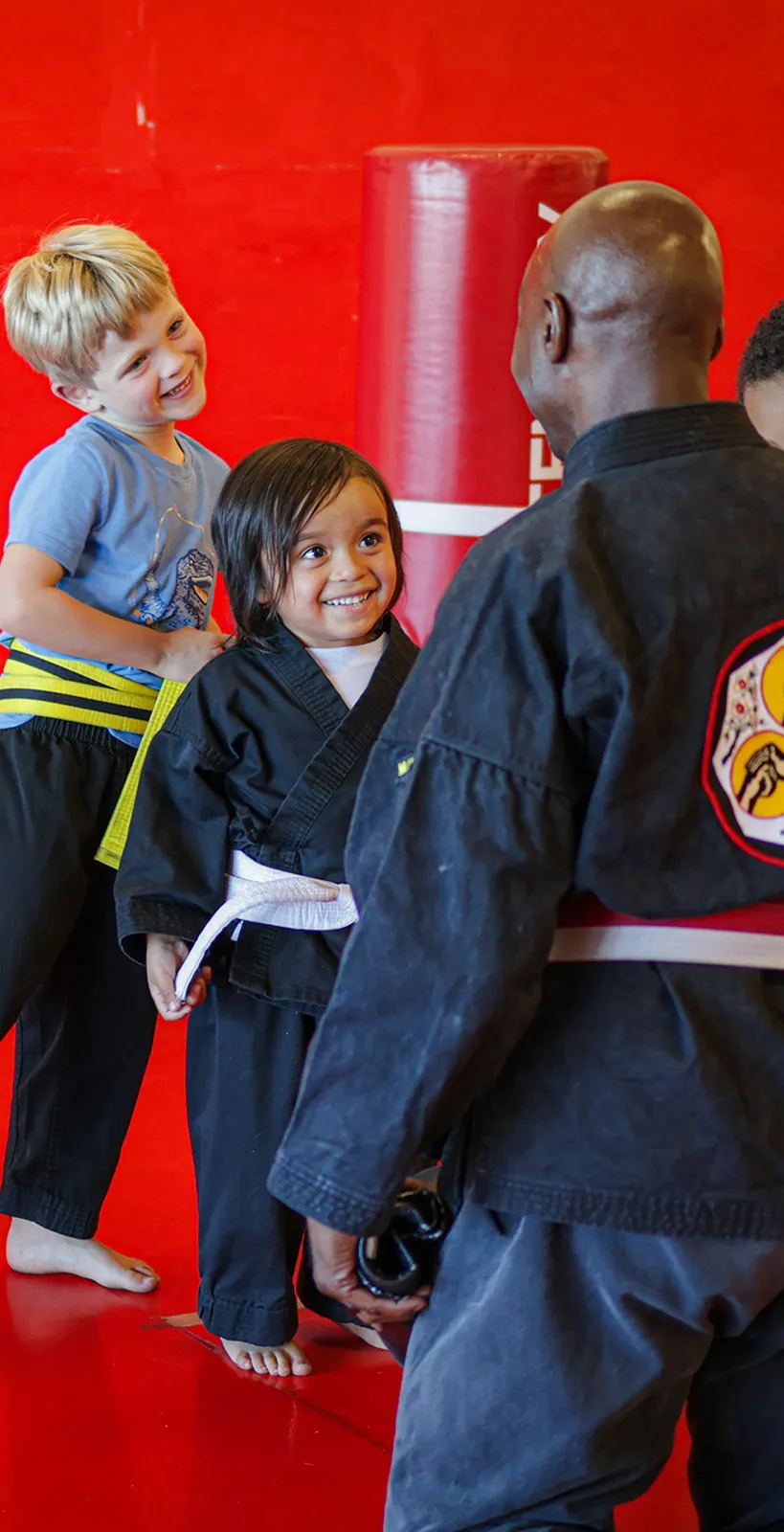
Every small win stacks up as proof. Learning a new skill, finishing something difficult, earning the next belt, helping a younger student tie their belt. Confidence built on real evidence of capability compounds over time in a way that pep talks and affirmations never can. That's a big part of why structured martial arts works so well for kids: every class hands them a fresh, concrete win.
Help your child stop measuring themselves against other kids' highlight reels. Their only real benchmark is who they were yesterday. When they stumble, teach them to be as kind to themselves as they'd be to a friend. Ground their confidence in their values, and help them set boundaries that match what they stand for. That's how a child forges a shield no bully can crack.
Body Language That Deters Bullies
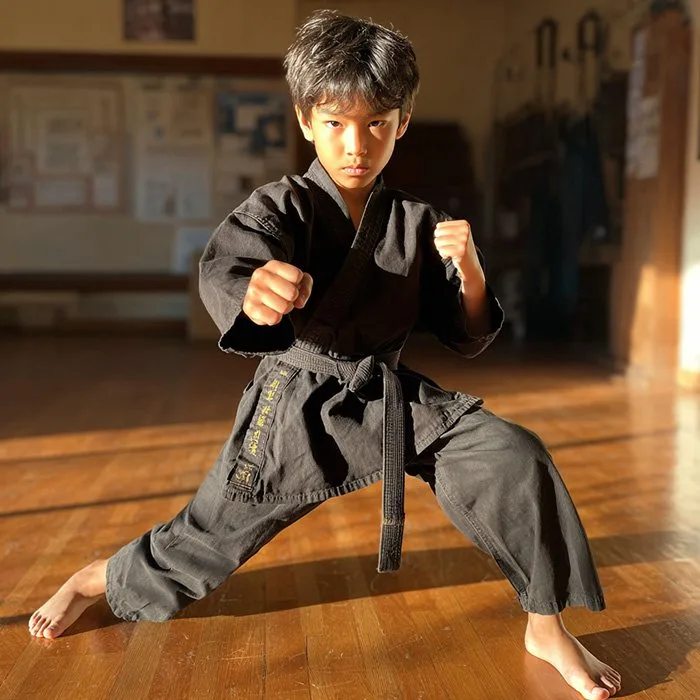
How fast can a kid go from feeling like a target to looking like someone no bully wants to bother? Faster than you'd think. Stand tall, relax the shoulders, keep the head up. That one adjustment signals awareness and self-respect that bullies instinctively steer around.
Move with purpose. Walk like you know exactly where you're headed. Hesitant, shuffling steps read as uncertain, while confident strides tell a completely different story.
Keep hands visible and relaxed. Crossed arms signal nerves, while open positioning projects calm strength. When your child speaks, a firm, clear voice without over-explaining or apologizing does the work. We coach this kind of grounded, confident presence in every kids class, because posture and presence are skills, and skills can be practiced.
Here's what matters most: bullies are scanning for a reaction and a hint of fear. When your child combines steady eye contact, upright posture, and purposeful movement, those signals disappear. The forcefield is up.
Hold Eye Contact to Shut a Bully Down
Behind almost every attempt to intimidate, there's a simple test happening: the bully is watching to see if your child looks away first. Breaking eye contact reads as backing down and feeds their sense of control.
Here's what works: hold brief, steady eye contact with a relaxed expression, then calmly look away on your own terms. This isn't a staring contest. It's a quiet way of saying "I'm not afraid" without escalating anything.
Teach your child to keep their breathing slow and their face neutral. That breaks the loop a bully expects, where the target flinches or freezes. Calmly walking away afterward removes the chance for things to escalate and ends the moment before it can turn physical.
Calm Phrases That Stop Bullies Cold
Eyes say a lot, but sometimes a kid needs actual words to back them up. Short, calm phrases like "That's enough" or "Stop" draw a clear line without handing a bully extra fuel. Keeping it short is the whole point.
The curiosity approach works well when someone crosses a line. Your child can ask, "What were you trying to do by saying that?" That puts the discomfort back where it belongs. They can also name the behavior directly: "Please don't talk to me like that."
If they'd rather keep things peaceful, "I hear you, and I still disagree" holds their ground without escalation.
The key is delivery. A neutral, matter-of-fact tone changes everything, because your child isn't asking permission to be treated well. They're stating what they expect. Since most kids are taught it's rude to interrupt, bullies often take advantage of politeness, which makes a calm, well-timed interruption a surprisingly powerful tool.
Never Give a Bully What They Want
When a bully pushes buttons, they're hoping your child will cave, cry, or lash out, because any of those reactions proves their tactics work. The goal is to not give them that payoff.
If they make demands, your child walks away. If they escalate, your child stays disengaged. Giving in just nudges them to try something new. Instead, keep the face neutral and replies short. That's not hiding feelings, it's protecting them, and those feelings can come out later with a parent or a trusted adult.
Humor can work even better. A calm, confident joke can completely disarm a bully by flipping the power dynamic. It takes a little practice, but it's remarkably effective.
Most importantly, your child shouldn't face this alone. Bullies target isolation, so a strong circle of friends and supportive adults becomes the strongest shield of all.
Build a Support Network
Because bullies thrive on isolating their targets, your child's friendships aren't just nice to have. They're a real line of defense. When a kid stays close to trusted friends, bullies are far less likely to come around, because that group is a natural barrier that discourages trouble before it starts.
Help your child build those connections through solid social skills: listen well, speak up clearly, and show up for others consistently. When their peers know your child has their back, they'll have your child's back too.
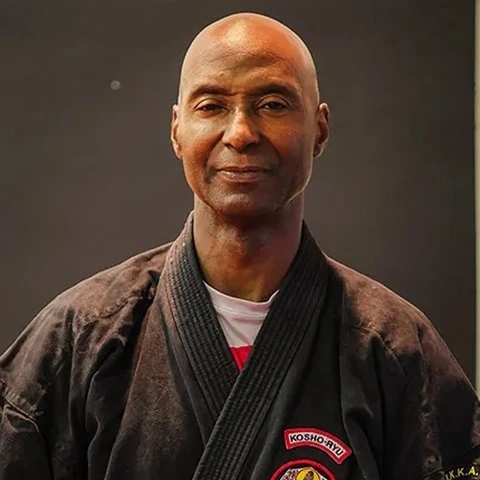
Don't stop at friendships. Pair them with trusted adults like teachers, counselors, and coaches who reinforce that network. Our instructors at JMAA become part of that circle, mentors who know your child by name and help them feel they belong. Together, these relationships turn individual friendships into a true protective forcefield.
Walk Away or Stand Firm: Know the Difference
Not every situation calls for the same response, and knowing when to walk away versus when to stand firm protects both your child's body and their confidence.
When there's a physical threat, leaving right away isn't weakness, it's wisdom. Safety always comes first. But when it's verbal, standing firm matters. Practicing "That's enough" calmly and without aggression sets a boundary instead of escalating, and interrupting a bully mid-sentence is completely fair when they're crossing a line.
Here's the key distinction: walking away removes a bully's audience, while a calm, assertive response removes their power. Your child will need both tools. And if anyone becomes physically violent or makes threats, the move is simple: get to safety and tell a trusted adult or authority immediately.
Heal Old Wounds So Bullies Can't Reach Them
Old hurt from bullying doesn't always fade on its own. It can settle in and keep a child stuck in fight, flight, or freeze long after the moment has passed. The body remembers what the mind tries to set aside.
For kids carrying deeper wounds, support from a counselor or therapist can help them work through what everyday conversation can't reach. Healing sometimes means grieving, too, allowing space for the sadness of safety or connection they deserved but didn't get. That grief isn't weakness. It's clarity about what your child needs now.
When a child works through old hurt, present-day bullies lose their grip. They can't trigger what your child has already faced and moved past. A confident kid with a steady support system and real skills is simply a much harder target.
Give Your Child Their Forcefield
Your child has everything they need to build a bully-proof forcefield, from standing tall with confidence to working through the wounds that made them feel vulnerable in the first place. No one else gets to decide how your child feels about themselves.
At James Martial Arts Academy in El Cajon, we've spent more than a decade helping East County kids turn nervous energy into quiet confidence, one small win at a time. If you'd like to see how it works, schedule your child's free trial class and watch them stand a little taller after the very first session.