Kajukenbo and Gracie Jiu-Jitsu: Two Philosophies, One Goal
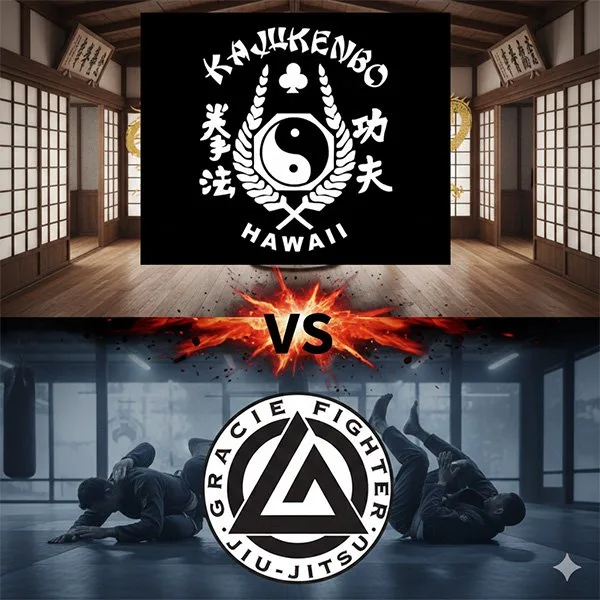
When families in El Cajon begin researching martial arts, two names surface repeatedly: Kajukenbo and Gracie Jiu-Jitsu. Both systems produce disciplined, capable practitioners — yet their training philosophies, techniques, and real-world applications differ in significant ways.
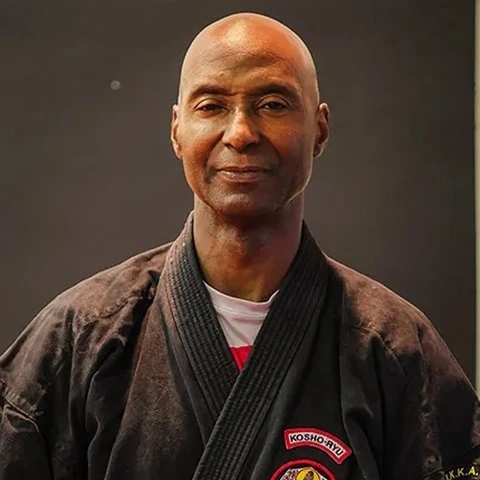
At James Martial Arts Academy, Sigung Darryl James has spent over 36 years refining a curriculum rooted in Kajukenbo's hybrid combat principles. This article offers an honest comparison so you can choose the path that fits your goals.
The Origins: Street-Tested vs Sport-Evolved
Kajukenbo was forged in the Palama Settlement of 1940s Honolulu — one of the most dangerous neighborhoods in Hawaii at the time. Five martial artists combined Karate, Judo and Jujitsu, Kenpo, and Chinese Boxing into a single, brutally practical system. The founders tested every technique in real street confrontations before it earned a place in the curriculum.
Gracie Jiu-Jitsu traces its lineage to Mitsuyo Maeda's judo instruction in Brazil, later adapted by the Gracie family to emphasize ground fighting, leverage, and submissions. Its effectiveness was proven on the global stage through early UFC competitions, where Royce Gracie submitted larger opponents using technique over strength.
Both arts emerged from necessity, but their battlegrounds differed — and that distinction shapes how each art is trained today.
Striking vs Grappling: The Core Difference
The most visible distinction is range. Kajukenbo trains practitioners across all combat distances: kicks at long range, punches and elbows at mid-range, knees and clinch work up close, and takedowns plus ground escapes when the fight hits the floor. Students at James Martial Arts Academy learn to transition fluidly between these ranges because real confrontations are unpredictable.
Gracie Jiu-Jitsu, by contrast, is a grappling-dominant system. Practitioners learn to close the distance, secure a clinch or takedown, and control opponents on the ground through positional dominance and submissions — chokes, joint locks, and sweeps.
"In a controlled environment, a specialist often beats a generalist. On the street, the generalist survives." — Sigung Darryl James
Self-Defense Realism
Kajukenbo's curriculum assumes the worst-case scenario: multiple attackers, weapons, uneven terrain, and no referee. Training includes awareness drills, de-escalation principles, and responses to common street attacks — grabs, headlocks, and sucker punches. At JMAA in El Cajon, students regularly practice situational sparring that mirrors real-world encounters.
Gracie Jiu-Jitsu excels in one-on-one ground engagements. Its guard system allows a smaller person to control and submit a larger attacker from the bottom position. However, ground fighting against multiple opponents or on concrete presents inherent risks that the sport-oriented rulesets don't address.
Character Development and the JMAA Approach
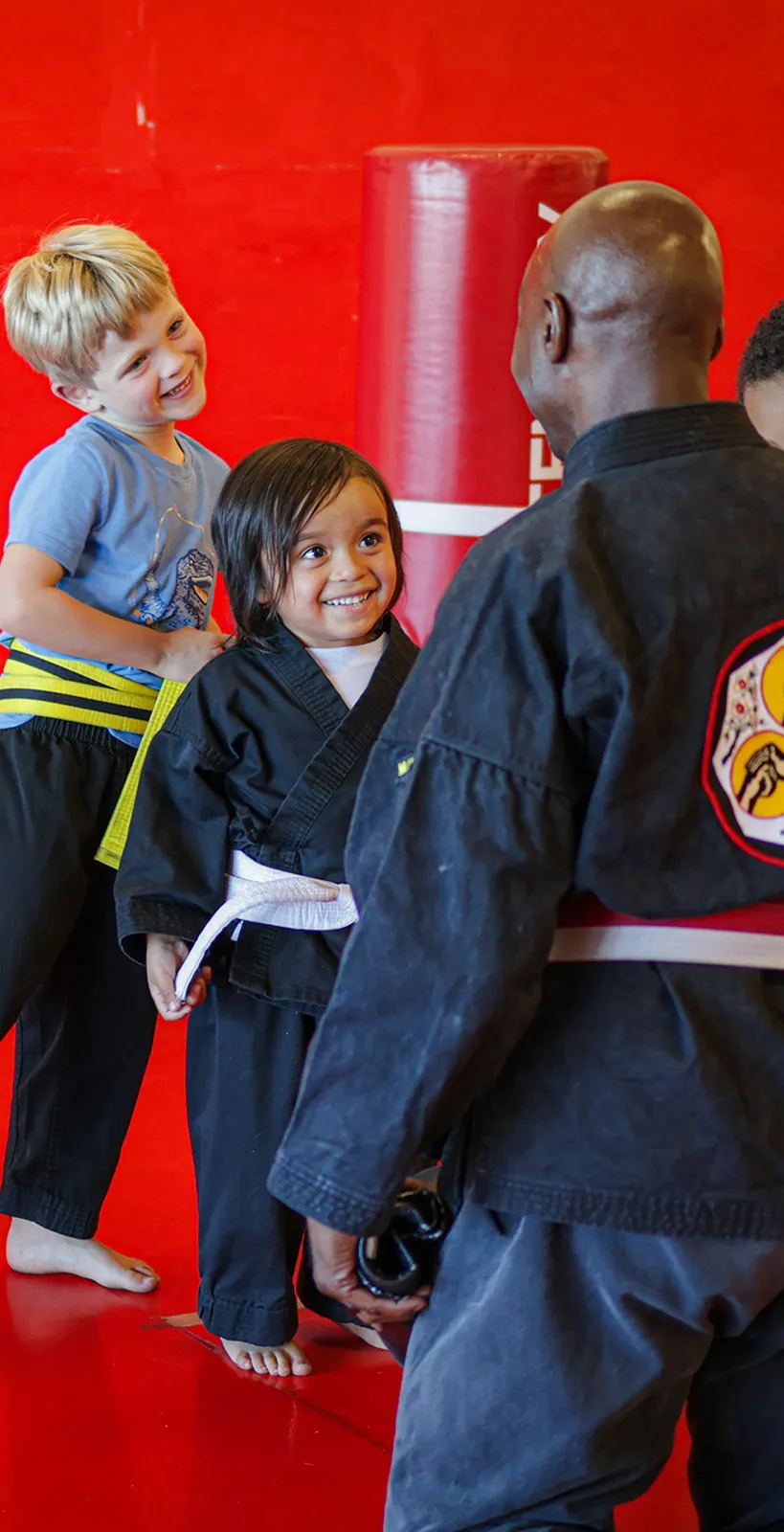
James Martial Arts Academy teaches Kajukenbo in El Cajon with a focus that extends beyond technique. Every class reinforces discipline, respect, and mental resilience — values that Sigung Darryl James considers inseparable from martial arts training. Students don't just learn how to defend themselves; they build the character to know when defense is necessary and when restraint is the stronger choice.
This philosophy reflects Kajukenbo's founding principle: martial arts should serve the community, not just the individual.
Which Style Should You Choose?
Choose Kajukenbo if you want:
- A complete self-defense system covering all ranges
- Training that addresses real-world scenarios including multiple attackers
- Character development and traditional martial arts values
- A hybrid approach that borrows the best of multiple disciplines
Choose Gracie Jiu-Jitsu if you want:
- Deep specialization in ground fighting and submissions
- Competition opportunities in gi and no-gi tournaments
- A methodical, position-based approach to control
Train With a Lineage Holder in El Cajon
Sigung Darryl James holds a 6th-degree black belt in Kajukenbo under a direct lineage to the art's founders. He also holds a 3rd-degree black belt in Kosho-Ryu, giving JMAA students access to the philosophical depth and natural-law principles that many hybrid programs lack.
If you're ready to experience the difference that authentic Kajukenbo training makes, claim your free trial class at James Martial Arts Academy — no obligation, no pressure.
James Martial Arts Academy is located at 2356 Fletcher Pkwy, El Cajon, CA 92020. Call (833) 894-0191 to speak with our team.