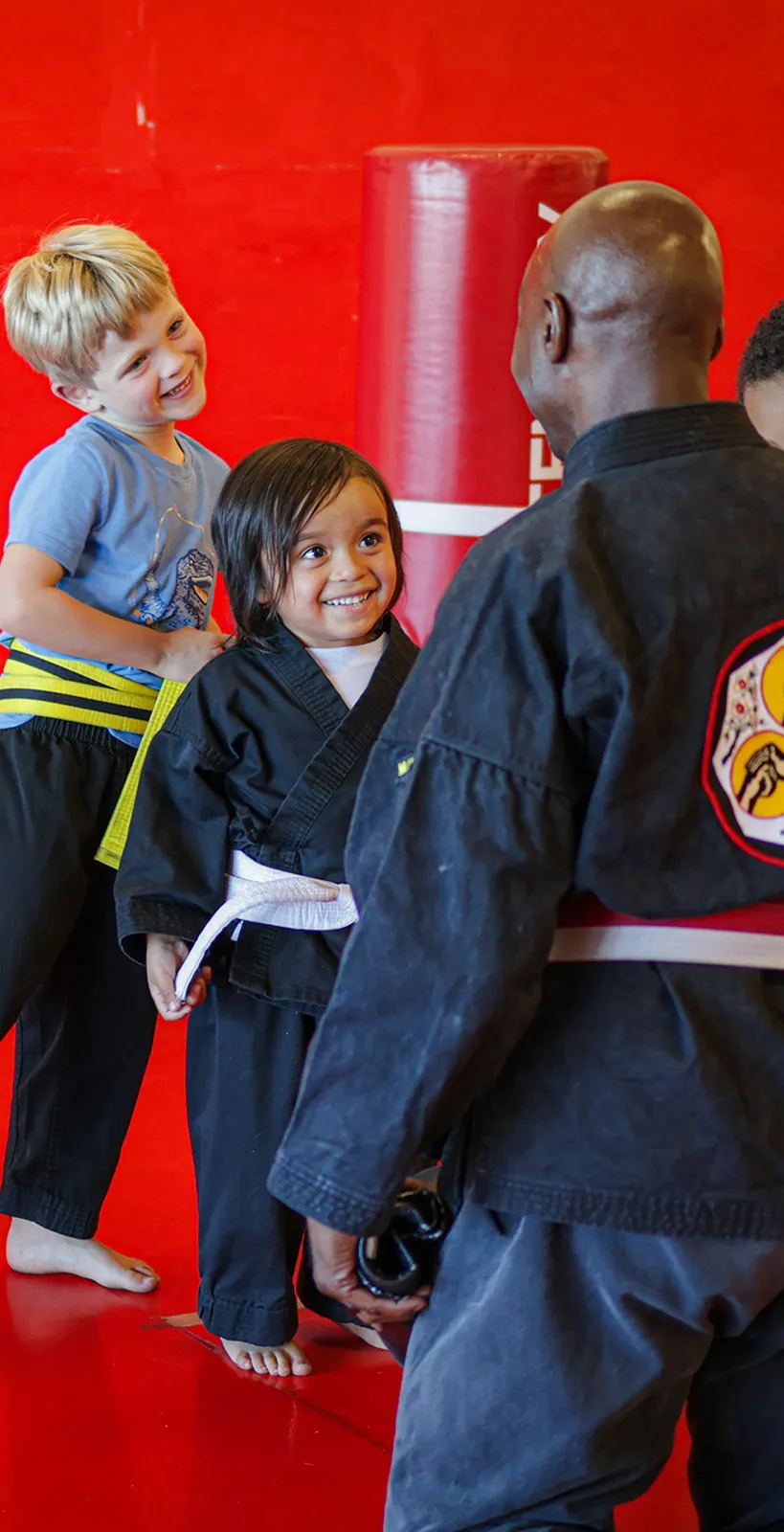
Martial arts give your child more than kicks and punches. They build focus, emotional control, and the kind of confidence that shows up at school and at home. Training strengthens the brain's executive functions, like attention and impulse control, while partner drills teach empathy and teamwork. Kids who practice consistently tend to show real academic gains and less anxiety. And with the right program and steady progression, it's safer than many parents expect.
If you're weighing options for your son or daughter, here's a closer look at how the right classes support your child's growth, plus how we approach it at Kids Martial Arts training here in El Cajon.
What Martial Arts Teach Kids Beyond Physical Fitness
Martial arts sharpen a child's mind just as much as they strengthen the body. When your child trains consistently, they build executive function skills, like attention control, mental flexibility, and processing speed, that carry straight into the classroom.
Structured practice develops impulse control and emotional regulation, helping kids manage stress and respond thoughtfully instead of reacting. You'll notice improved self-esteem and less anxiety as they move through their training milestones.
Partner drills and group sessions teach empathy, cooperation, and good decision-making in a safe, guided setting. Supportive instruction encourages your child to think for themselves while respecting others. With an estimated 8.7 million kids involved in some form of martial arts each year, your child joins a thriving community of young practitioners.
These aren't abstract benefits. Research shows measurable thinking and behavior gains that hold up over time, giving kids resilience they carry forward.
How Kids Build Speed, Strength, and Balance
Your child's body changes through martial arts in ways you can actually measure. Research shows young karate practitioners aged 13 to 14 achieve a 22.9% increase in arm speed-strength and a 16.5% improvement in shuttle run performance through structured training.
Kids develop balance practicing just 30 minutes twice a week, outperforming peers who only have free playtime. Striking skills sharpen neuromuscular response, while grappling and throwing techniques build functional strength through the whole body.
Coordination improves naturally through repeated kicking, blocking, and footwork. One nine-month study found significant gains in lateral jump performance compared to a control group. Cardiorespiratory fitness climbs across karate and similar disciplines alike.
These are documented outcomes from steady, structured training. You're giving your child a foundation of physical capability that serves them well beyond the mat.
Motor Skills Your Child Develops in Class
The motor skill development runs even deeper than speed and strength. Through precise technique, your child strengthens fine motor control and dexterity. Visual-motor integration sharpens as they track fast-changing movements from training partners.
Balance and coordination improve measurably, especially when instructors teach in age-appropriate, sensory-based ways. Your child's spatial awareness grows as they navigate direction changes and position shifts safely on the mat.
Lateral jumping, single-leg stability, and explosive movement all develop through consistent practice. Research shows children with three or more years of training show real improvement across every motor skill category. These abilities don't just help in class. They transfer to every sport and activity your child takes on. One study of children practicing martial arts found that those with five or more years of training showed significant gains in inhibitory control compared to untrained peers.
Focus and Academic Gains for Kids
When your child learns to run a precise sequence of techniques under pressure, they're not just building physical skill. They're strengthening the same executive functions that drive school success. Research shows martial arts practitioners outperform both team-sport athletes and less-active peers in focus, working memory, attention, and decision-making.
Structured programs improve attention stability and shifting in children as young as seven, in ways that unstructured exercise doesn't match. Eight-week programs show measurable gains in focus and working memory accuracy. This age range responds especially well because it's a pivotal phase for attentional neural system maturation and strong neural plasticity.
Those benefits show up in the classroom. Kids who practice martial arts consistently tend to earn higher marks than their peers. When you start your child in classes, you're investing in a method that builds both disciplined movement and sharper academic performance.
The Emotional Benefits of Martial Arts for Kids
Sharper focus and better grades tell only part of the story. Martial arts also reshape how your child handles emotions. Through structured training, kids build self-control that accounts for a large share of measurable drops in aggression. Simple breathing tools give kids practical ways to calm down, and many still use them months after first learning them.
Regular practice builds emotional awareness in children ages 6 to 12. Your child learns to name feelings, manage stress, and respond rather than react. Interestingly, kids who struggled most with behavior at the start showed greater increases in mindfulness through training, which suggests it reaches the kids who need it most.
During stressful stretches like the pandemic, kids who kept up their practice showed real declines in anxiety. These aren't temporary fixes. Research shows most children keep using the coping tools they learned months after a program ends, building lasting resilience you'll notice at home and at school.
Why Martial Arts Help Kids With ADHD
Martial arts deliver thinking-skill benefits that make them a strong fit for children with ADHD. Research shows structured training increases selective attention with large effects and strengthens visuospatial working memory in just a few months.
When a child trains, they're activating the prefrontal cortex, the brain region responsible for impulse control. Studies suggest two focused sessions a week over several months produce the best results at a moderate, steady pace.
These gains complement existing care plans. Martial arts strengthen attention and focus through structured repetition, offering a safe, low-injury option alongside other support. Research combining data from children with ADHD and children born very preterm confirms that response inhibition difficulties can be addressed through structured martial arts engagement. If your family is navigating ADHD, classes can be an evidence-based path to stronger focus and steadier behavior.
Finding the Right Style for Your Child
Karate, judo, taekwondo, and blended systems all produce real improvements in fitness, agility, strength, and coordination. The bigger question isn't which style is best on paper. It's which environment fits your child and how the program is taught.
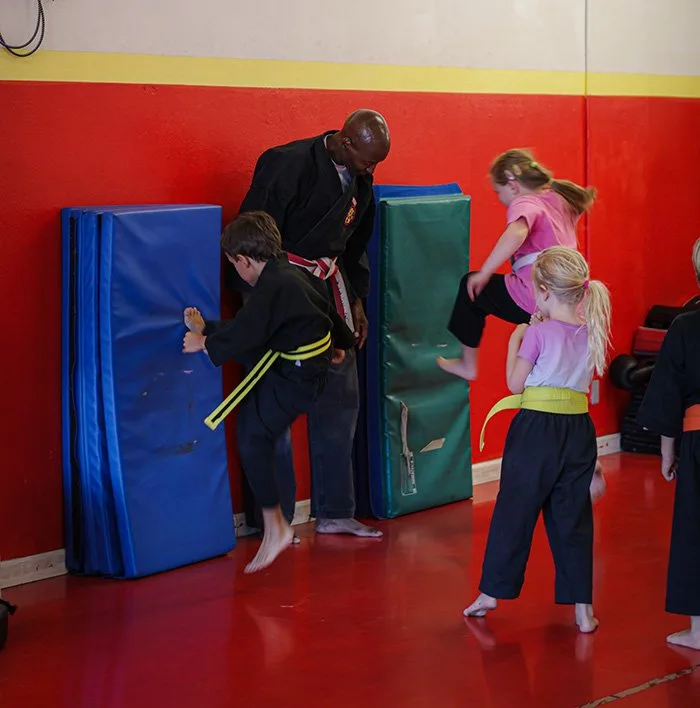
The right match comes down to temperament. Shy kids often flourish in smaller classes where they get noticed and encouraged. High-energy kids do well with movement and clear structure to channel that energy. At JMAA, our kids program is built around age-grouped classes, so your child trains with peers at their own stage of development and learns at the right pace. We teach Kajukenbo and Kosho-Ryu, a blended, practical approach that builds well-rounded skill rather than locking your child into a single narrow style.
Are Martial Arts Safe for Kids?
Martial arts build confidence, coordination, and fitness, and it's natural to wonder about injury risk. The good news is that injury rates have dropped significantly over the past decade.
Formal classes under qualified instructors produce far fewer injuries than unsupervised practice. When injuries do happen, most are strains, sprains, and falls rather than serious harm.
To keep your child safe, look for programs that emphasize phased progression, building technique in non-contact settings before any sparring. Good instruction matters more than gear. The real protection comes from instructors who enforce rules against excessive force, teach proper blocking, and respect what's age-appropriate for each child's physical and emotional maturity. That's exactly the standard we hold ourselves to at JMAA.
What to Look for in a Kids' Martial Arts Program
Choosing the right program means looking past flashy moves to what actually matters: the quality of instruction, the structure of the curriculum, and the feel of the room.
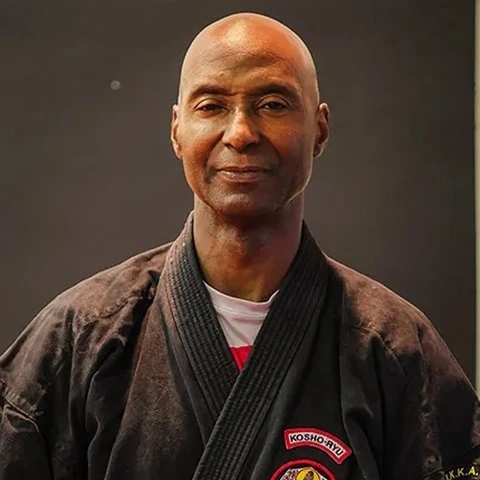
Look for instructors who understand child development as well as they understand technique, teachers who use positive reinforcement and can work one-on-one with your child when needed. Sigung Darryl James founded JMAA in 2010 and has trained East County families for over a decade, with more than 36 years on the mat himself.
A few things worth checking in any school:
- Age-specific classes rather than one-size-fits-all sessions. Younger kids need fun and movement first, while older kids are ready for more structured technique.
- A clear curriculum that maps your child's path from beginner to advanced, with belt advancement that reflects real skill, not just time served.
- Character development treated as core practice, not marketing language. Respect, discipline, and focus should be woven into every class.
- A trial class you can watch. Observe the class size, see how instructors interact with kids, and confirm they teach non-contact skills before any sparring.
We built our kids program around all of this. More than 500 East County families have trained with us, and we'd love for yours to see it firsthand.
Martial arts build strength, focus, and emotional resilience in kids, and the right school turns those benefits into habits your child keeps for life. The best way to know if a program fits is to watch your child on the mat. When you're ready, schedule your child's free trial class at JMAA in El Cajon and see how they respond.