What Martial Arts Training in San Diego Really Offers
San Diego gives you real options for martial arts training, from striking and grappling to full self-defense systems. The hard part isn't finding a place to train. It's finding a school that teaches pressure-tested skills against real partners instead of choreographed drills, with instructors who actually care how you progress.
If you live in East County, you don't have to drive across the county to get that. At James Martial Arts Academy in El Cajon, you'll train Kajukenbo and Kosho-Ryu in a program built for ordinary people who want to get genuinely capable. Most quality schools, including JMAA, let you start with a free trial class, so you can feel the room before you commit.
Whether you're chasing fitness, self-defense, or a discipline your whole family can grow into, here's how to choose well and what your first weeks will actually look like.
How to Choose a Quality Martial Arts School in San Diego
With so many schools across San Diego, your search should start with one honest question: what do you actually want from training? Self-defense, fitness, confidence for your kid, or all three. Once you know your goal, the right school gets a lot easier to spot.
Here's what to look for:
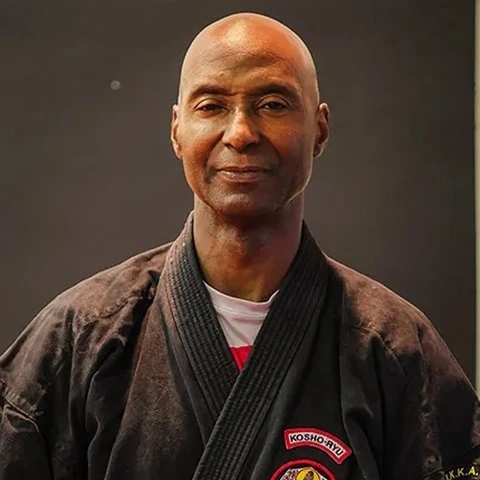
- Real instructor credentials. Ask who runs the program and what they've earned. At JMAA, Sigung Darryl James brings 36-plus years on the mat, a 6th-degree Kajukenbo black belt, a 3rd-degree in Kosho-Ryu, and a USA Martial Arts Hall of Fame induction. Credentials should be easy to verify, not vague.
- Class sizes that let you learn. You want enough attention to correct your technique, not a crowd where you blend into the back row.
- A schedule you can actually keep. Consistency beats intensity. The best school is the one you'll show up to week after week.
- A trial class before you sign anything. Use it to watch how the instructor treats students, how beginners are welcomed, and whether the floor feels organized and safe.
- Clear, written pricing. A quality school answers money questions directly and puts the terms in writing. If you feel pressured instead of guided, keep looking.
A good school guides you toward a decision. It never rushes you into one. That difference tells you almost everything about how they'll treat you once you're a member.
Why East County Students Train at JMAA in El Cajon
Plenty of San Diego programs are built around competition rosters and pro fight credits. That's great if you want to compete. But most people walking onto a mat for the first time want something different: to feel safer, get in shape, build confidence, and stick with it.
That's the heart of how JMAA teaches. Since 2010, more than 500 East County families have trained here, and the curriculum reflects what they actually need. Kajukenbo blends striking, grappling, and self-defense into one practical system, while Kosho-Ryu adds the movement, timing, and philosophy that make techniques work under pressure. You learn skills that hold up in the real world, taught by instructors who know your name and track your progress.
For El Cajon and the surrounding East County, training close to home matters. It keeps you consistent, it makes family schedules workable, and it means the people on the mat next to you are your neighbors.
What Your First Class Looks Like
Walking into a new school for the first time can feel intimidating. Knowing the routine takes the edge off.
Arrive 5 to 15 minutes early so you can park, finish any paperwork, and meet your instructor. Wear a t-shirt and shorts, bring water, and leave your shoes off the mat. You don't need a uniform, gear, or any experience to start.
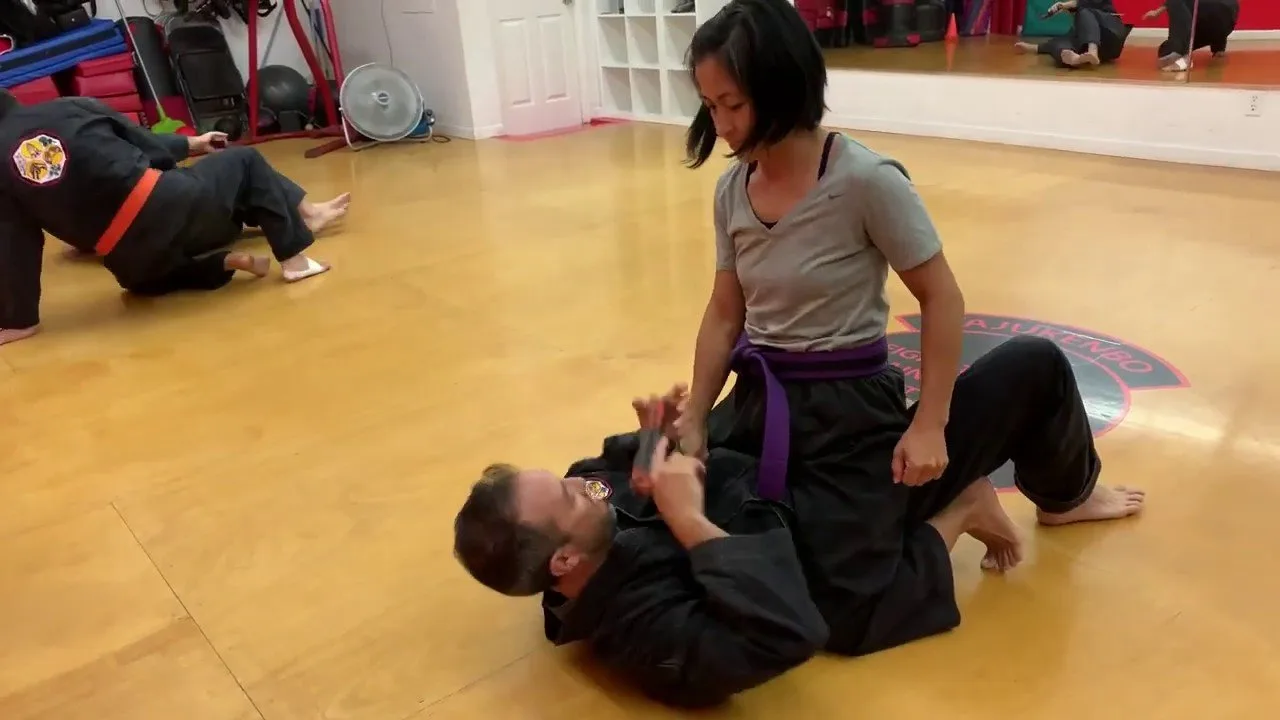
A typical class runs around 45 minutes. You'll warm up with light movement and conditioning, then your instructor demonstrates technique and breaks it into clear, doable steps. From there you'll drill with a partner and work positions at a pace that fits a beginner. Watch for the good signs while you're there: organized instruction, respectful students, and a welcoming room.
Afterward, expect a friendly follow-up, not a barrage of calls, contracts, or surprise charges. That's the standard you deserve, and it's the standard JMAA holds itself to.
Self-Defense Skills That Actually Hold Up
The real question about any program isn't whether the class looks impressive. It's whether what you learn actually works when it counts.
Real self-defense is built through pressure-tested techniques against partners who resist, not memorized sequences. At JMAA you'll train distance management, grab escapes, takedown defense, and ground recovery under realistic conditions. Every technique serves one goal: control the situation long enough to get away safely.
You're not training for a drawn-out fight. You're building the composure and skill to protect yourself and the people you love. Awareness and avoidance always come first; they're your strongest tools. But when avoidance isn't enough, you'll have functional skills you've practiced under stress, often against partners bigger and stronger than you. That's what turns theory into confidence you can trust.
If self-protection is your main reason for starting, our women's self-defense program and adult classes are built exactly for that.
A Full-Body Workout You'll Actually Enjoy
While self-defense stays the priority, martial arts training also delivers one of the best full-body workouts you can find. Every session works multiple muscle groups through striking, footwork, and grappling, building strength without a single piece of gym equipment.
The class structure builds in natural interval training, so your conditioning improves while you're focused on learning, not staring at a clock. Your endurance, agility, and coordination sharpen with each cycle, and your mobility improves through movement patterns that also protect your joints over time.
Most students notice real changes within a couple of weeks of consistent practice. It isn't monotonous treadmill time. It's progressive, functional training that builds real-world strength, and it's a lot more fun to keep up with.
Programs for Kids and Teens
The benefits of martial arts multiply when you start young, and JMAA builds age-specific programs around how kids actually develop.
Our youngest students in Kosho Cubs (ages 3 to 5) build coordination, listening, and focus through structured play. From there, kids classes introduce real technique and self-control, our preteen program advances into more demanding skill work, and teen classes bring it all together with self-defense, conditioning, and leadership.
Throughout every stage, your child trains under certified instructors who serve as steady role models. They're learning awareness, defensive skills, and self-control, but they're also building resilience, emotional regulation, and confidence that follows them off the mat and into the classroom and home.
Confidence, Discipline, and Focus
Every technique you master adds up to something bigger than fighting skill. It builds quiet, durable self-esteem.
You'll notice it in everyday life: steadier nerves in hard conversations, more composure under pressure, and a calmer head when things get stressful. Consistent attendance forges discipline that reshapes your routines, so you become more organized and resilient even on days your motivation is low.
Training also sharpens focus. Drilling and sparring demand your full attention, working almost like moving meditation that clears mental clutter. You're solving problems in real time, reading a partner, and making fast decisions under pressure. Those gains carry straight into work, school, and daily life, and the practice helps channel nervous energy into productive focus instead of stress.
Costs, Schedules, and Free Trials
Across San Diego, monthly martial arts memberships generally run somewhere between $100 and $250, depending on the school and how often you train. The smart move is to ask direct questions about pricing and make sure every term is in writing before you commit. A quality school will welcome those questions.
Most good programs, including JMAA, offer a free trial class so you can experience the training before you spend a dime. It's the lowest-risk way to find out whether a school fits you and your goals.
If you're in El Cajon or anywhere in East County San Diego, the best next step is simple: come see it for yourself. Schedule your free trial class and find out what training close to home really feels like.
You've seen the styles worth studying, what to look for in a school, and what your first weeks will hold. San Diego rewards commitment, and the mat is where you'll build discipline, sharpen skill, and change how you carry yourself. The only thing left is to show up.
All of those programs live under one roof at our El Cajon karate school.